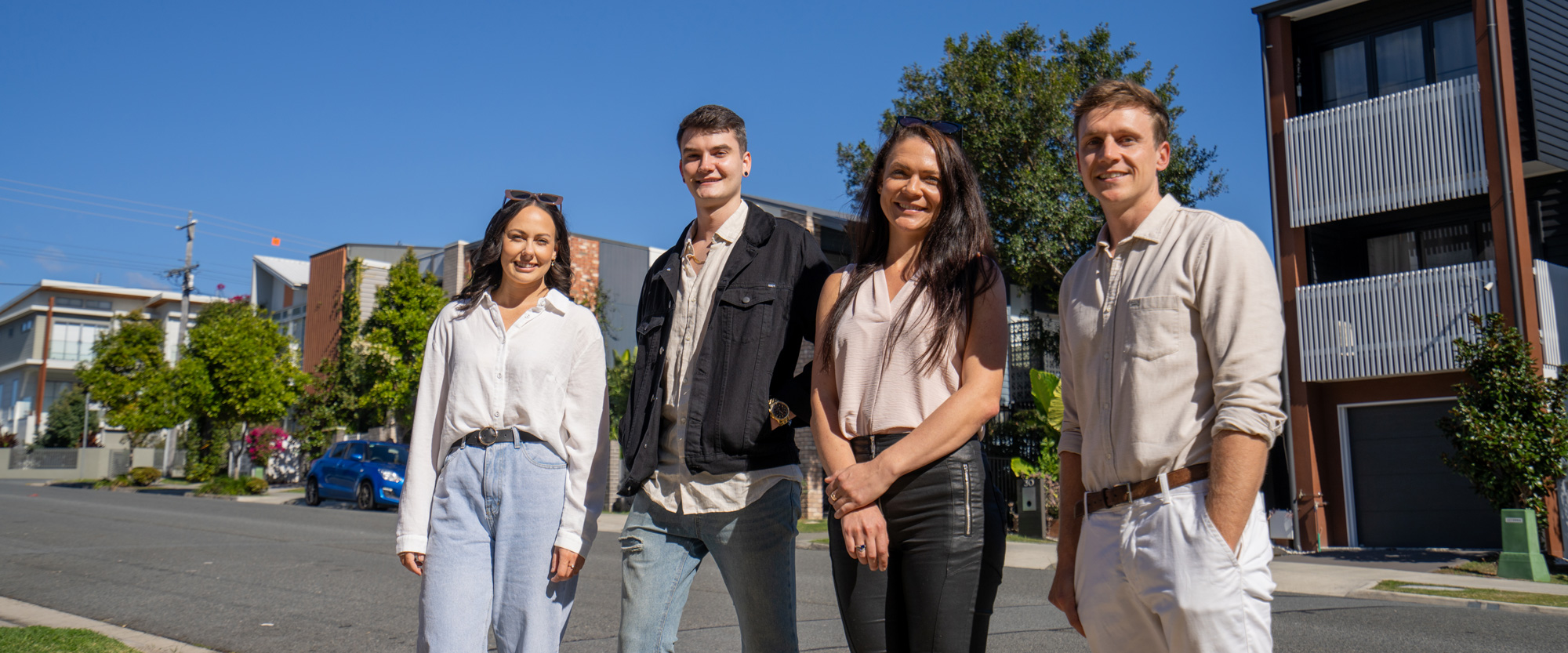


We believe in growth that enriches communities, protecting our unique lifestyle and providing a positive future for all Queenslanders.
Over the next 10 years our state will become home to over a million new Queenslanders. We have a plan to make sure all Queenslanders have a place to call home, in communities that remain great places to live. This means delivering more health services, improved public transport, better amenities, green spaces and safety where you live—to improve the lives of all Queenslanders, now and well into the future.
Find out what's being delivered for you.
With natural increases and migration, our state is expected to grow by over a million new Queenslanders by 2036*.
*Queensland Government Statistician’s Office. 1,274,788 additional persons from 2021-2036 (medium series).
See how we're planning for growthTo make the most of the opportunities that growth provides, it’s critical that we plan for it in the right way – to meet the current and future needs of our changing population.
Find out more about planning and how you can get involved.
The term ‘housing affordability’ usually refers to the relationship between expenditure on housing (prices, mortgage payments or rents) and household incomes. A common measure of rental stress is to look at the proportion of lower income households paying more than 30% of their income on housing costs. The Australian Bureau of Statistics and various housing industry associations publish ratio measures.
Residual measures are often used by researchers and academics which explore the capacity of a household to maintain an acceptable standard of living after housing costs.
The concept of ‘housing affordability' is different to the concept of ‘affordable housing’, which refers to low-income or social housing.
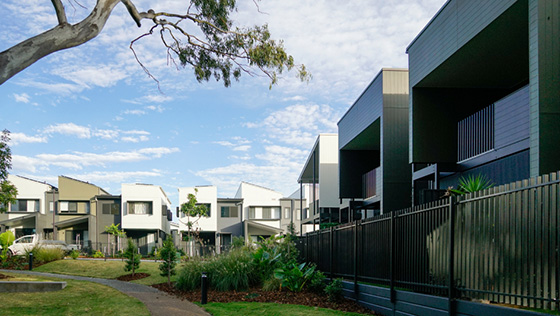
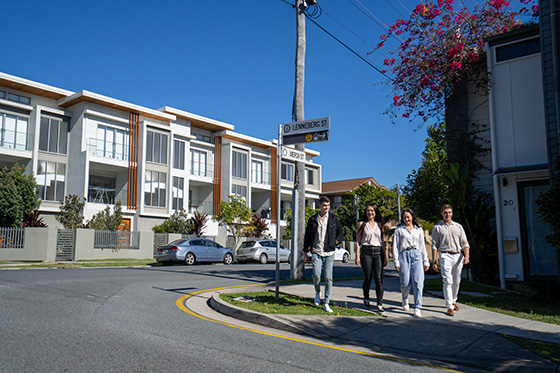
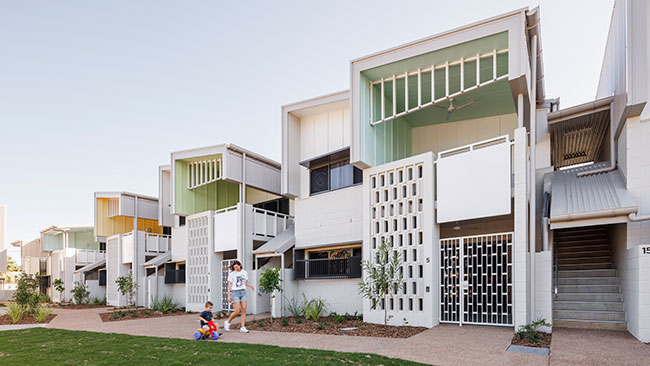
Communities which offer greater housing diversity increase supply, affordability, and opportunities for people to find homes that meet their needs and budgets in the communities they know and love.
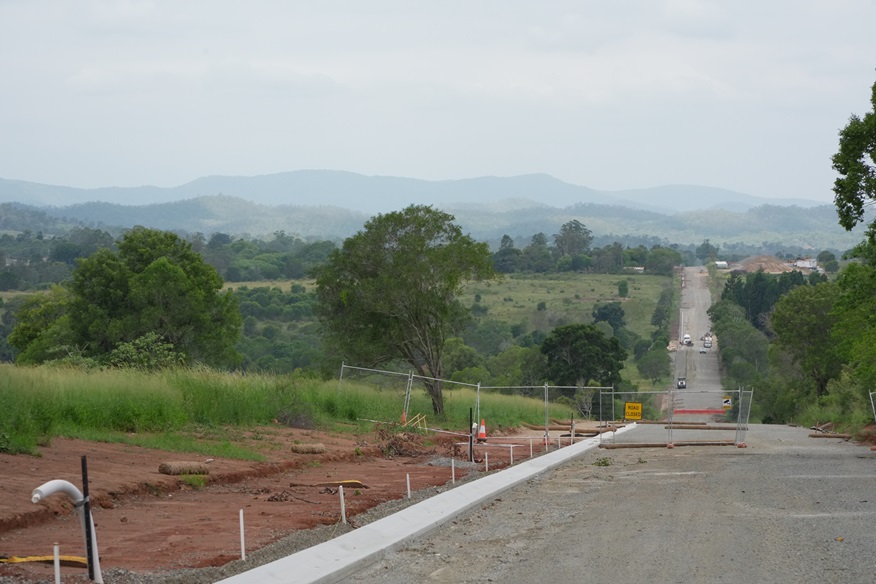
Before a house can go up, the groundwork has to happen first. Things like power, telecommunications, water, stormwater, roads and sewerage all need to be in place before homes can be built, and the cost of building this is often a barrier for developers and local governments seeking to increase housing supply.
The Queensland Government is funding essential infrastructure projects through the $2 billion Residential Activation Fund, removing the barrier to development and getting more homes built sooner. The Residential Activation Fund is part of a range of initiatives being delivered, so more Queenslanders can secure a place to call home.
Find out more about how we’re unlocking more housing.
© Andrew Rankin
Social housing provides safe, secure, and sustainable homes to some of the most vulnerable people in Queensland, and also includes ‘public’ or ‘community’ housing.
The Queensland Government provides a range of support to those wanting to apply for social housing or to get into the private rental market, including bond loans, rental grants and a RentConnect service.
Anyone who needs housing assistance can contact their local Housing Service Centre during business hours or call the 24/7 Homeless Hotline on 1800 474 753.
For more information, visit www.qld.gov.au/housinghelp
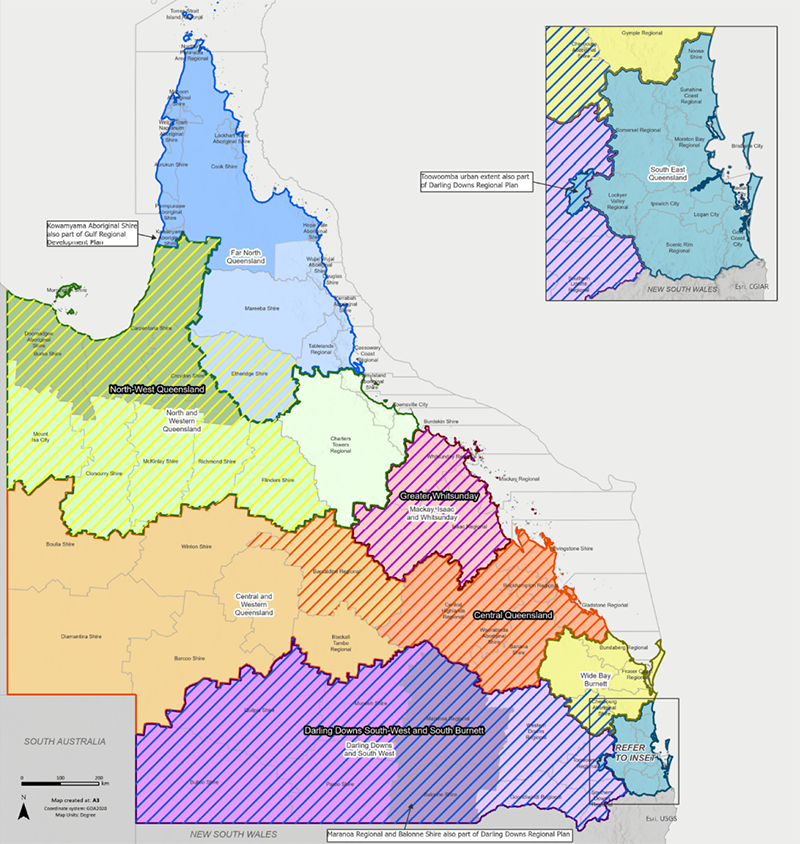
Regional plans are strategic documents that guide land use planning across multiple councils to support economic growth, development and liveable communities while protecting natural resources. They set the direction and long-term vision for how each of Queensland’s 13 regions will grow and respond to change over time. Each local government must take these regional plans into consideration when preparing their local planning schemes.
The community and industry can get involved when the state government is preparing a new plan or amending an existing regional plan.
In Queensland, planning is a joint effort between 77 councils and the Queensland Government. The Department of State Development, Infrastructure, Local Government and Planning is the custodian of the overarching planning framework to ensure state and local interests are integrated into planning schemes to guide and shape the future of our communities.
Every local government in Queensland prepares a local planning scheme to provide residents, businesses, and governments with a shared vision for the community to manage growth and change. It regulates what new development should occur and how.
Community members can access their local planning scheme to find out what sort of development they can expect to see in their local area and have an opportunity to provide feedback or comment on proposed changes. A common misconception during community consultation is that only those who oppose a plan should provide feedback however submissions of support are also encouraged. All feedback is carefully considered and contributes to the development of the final plan.
Find out more about local planning schemes or visit your local government’s website to view their local planning scheme.
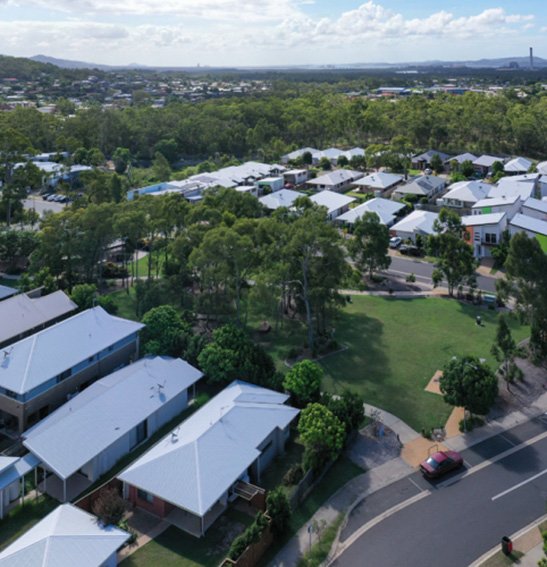
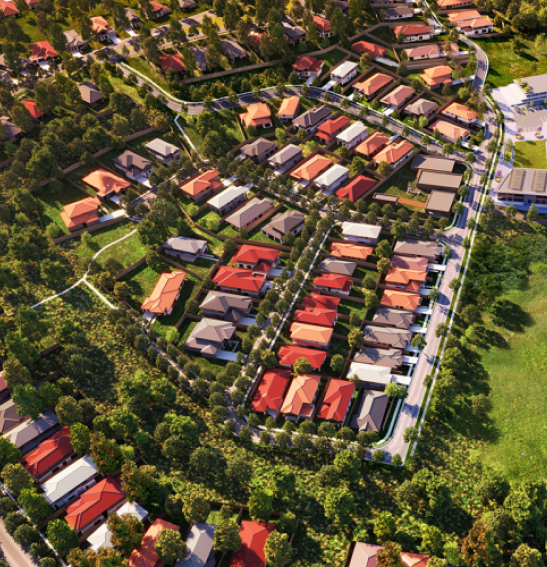
State and local planning aim to make our towns and cities more sustainable by encouraging development in existing urban areas (consolidation) rather than expanding urban areas out onto undeveloped land (expansion). By developing in existing urban areas, existing infrastructure can support travel and access to services.
Every piece of land in Queensland is included in a zone which allocates land for different uses. There are zones for residential, commercial and industrial development, for community facilities and services, for rural activities, and covering natural and recreation areas. Knowing your zone can help guide future property purchase or inform existing owners on what they can do with their land and consider future plans.
Find out more about different types of zones or view your local government’s planning scheme for more detailed information in the area you live.
Urban density reflects the number of people living in an area and influences how the area functions. Focusing increased densities in and around locations that have good access to high-frequency public transport, employment and services will create communities that are well-planned and use land efficiently.
Check out our fact sheets to see different examples of density in residential zones.


Find more articles in our Housing library.